A MANIFESTO · MADISON, WISCONSIN

Centuries-old process. AI-sized opportunity.

is seizing it.

SCROLL

Sec. 01 / The state of the trades

Two trillion dollars. Still no operating system.

  1. FIG. 1 · MARKET

    $2T

    The size of the US construction industry. Two trillion dollars, built on phone calls, paper, and trust earned one job at a time.

  2. FIG. 2 · FRAGMENTATION

    700K

    Specialty trade contractors operating in the US. Almost all of them invisible beyond their own zip code.

  3. FIG. 3 · INVESTMENT

    1%

    Average IT spend as a share of revenue: the lowest of any major sector.

  4. FIG. 4 · PRODUCTIVITY

    0%

    Real productivity growth since the 1950s. Manufacturing grew over 1,200% in the same window.

  5. FIG. 5 · FAILURE

    30%

    Of projects run 20%+ over both budget and schedule. The industry's own definition of failure. Most from mismanagement, not workmanship.

  6. FIG. 6 · OVERRUNS

    80%

    Of large projects run over budget. Overruns aren't the exception. They're the operating assumption.

  7. FIG. 7 · SUCCESSION

    50%+

    Of US construction business owners are over 55, most without a succession plan.

  8. FIG. 8 · WASTE

    20–30%

    Of project value lost to rework, delays, and communication failures. Value that simply evaporates.

This isn't anyone's fault. The industry grew the way it grew.

Every general contractor solves the same problems from scratch. Every subcontractor builds their reputation from zero with every new client. Every project starts as if no project has ever been built before.

The information doesn't compound. The trust doesn't compound. The systems don't compound.

The result is an industry that delivers, but in which everyone loses something along the way. The owner pays more than they should. The GC carries risk they shouldn't. The sub gets paid less than they're worth. The worker burns out faster than they should.

Sec. 02 / The blank slate

What if we started over?

Find a contractor.

Describe what you want.

Hope they show up.

Know they will.

Manage the chaos.

Watch it happen.

Pay and pray.

Pay for outcomes.

Hire your network.

Hire the best match.

Start every project from scratch.

Build on everything that came before.

Or skip the list entirely. Tell us what you want, and find out what it feels like when that's enough.

It starts inside.

With the crews, the schedulers, the estimators. The people who actually build. We build for the builders first: the matching, the scheduling, the payments, the respect. Software made with the same care a good tool is made with, because the people we're building it for can tell the difference.

Get their world right, and something bigger falls out the other side. The experience of building anything, for anyone, changes.

And someday…

A construction worker and a friendly robot collaborating on a project together, glimpsed as if through drifting fog

We're closer to this than it looks.

but let's not get too ahead of ourselves

When you have a problem with your iPhone, you don't research the problem. You don't manage the repair. You don't validate the solution.

You walk into an Apple Store. They take it. They fix it. They hand it back. The complexity is invisible to you. The expertise is theirs. The trust is implicit.

Why does building a home, a building, a hospital, a school work any differently? It shouldn't.

Sec. 03 / How we get there

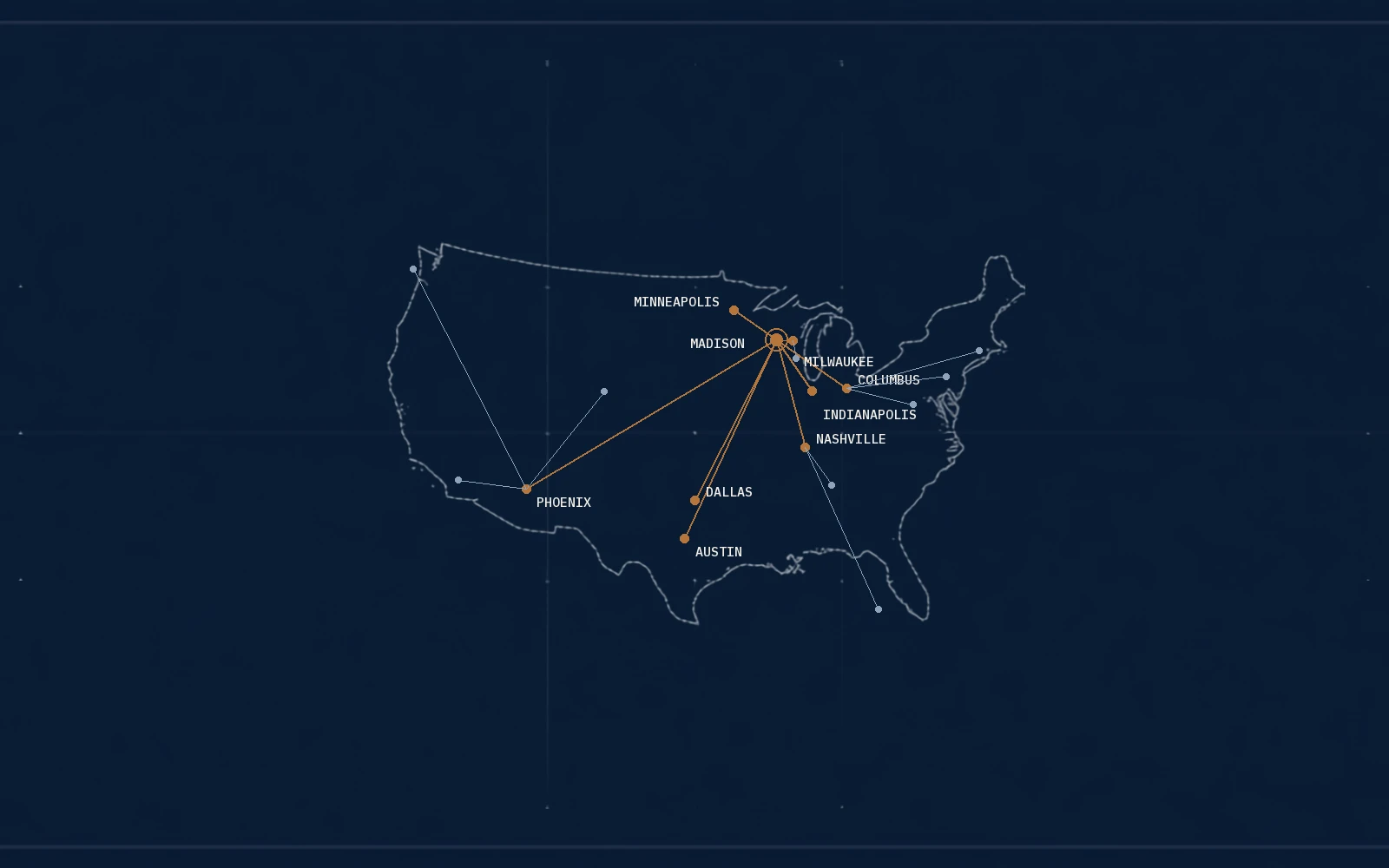
Madison first. Then everywhere. Then everything.

Phase One · MadisonYear 1–2

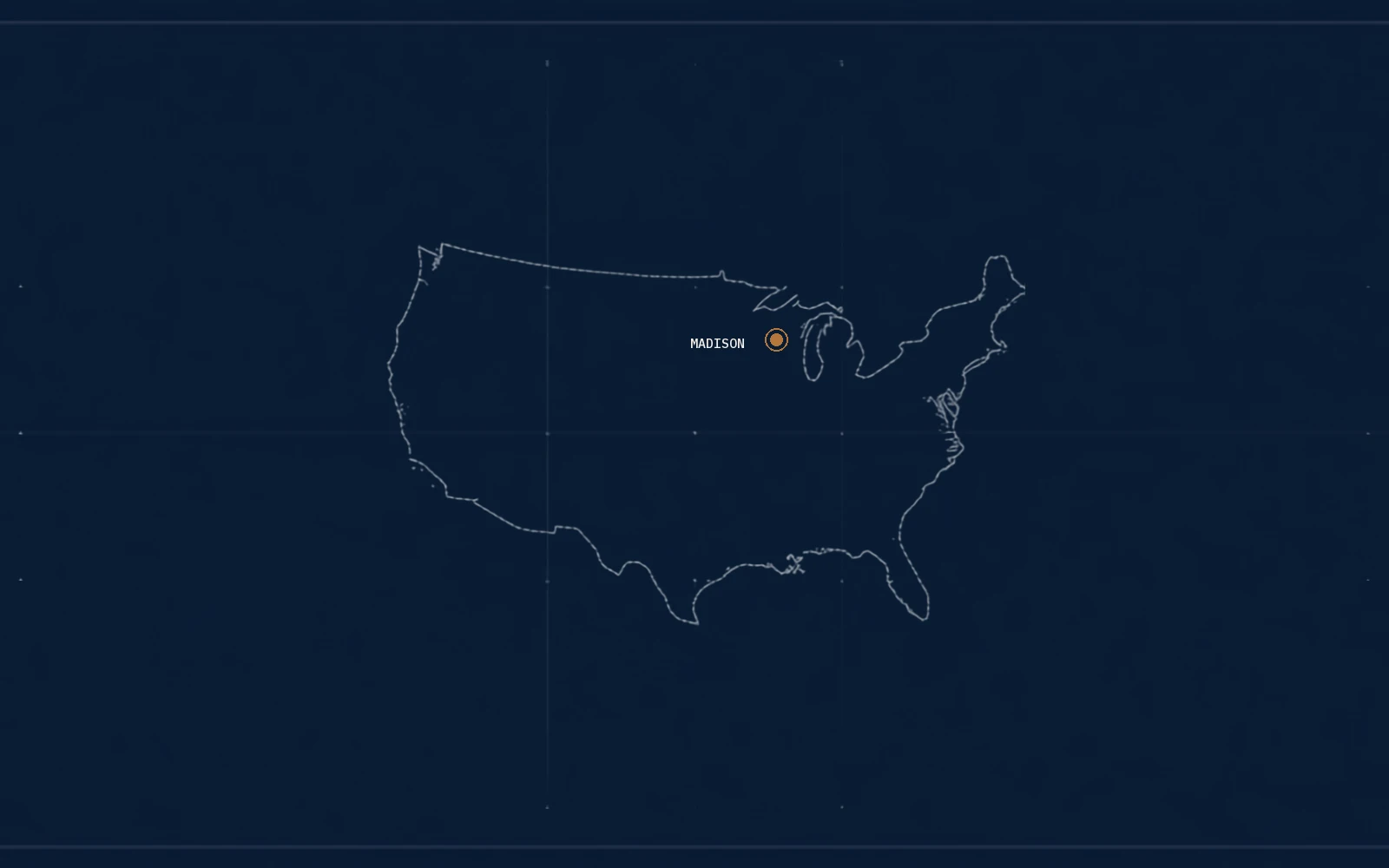
Madison

We start where we are, and we start by buying. A commercial general contractor in Madison. Two or three trade businesses alongside it. Not because acquisition is the strategy, but because you can't rebuild how construction works from outside of it. We need our own jobs, our own crews, and our own margins to build against.

We start with the trades where the work is most fragmented, because that's where the waste is worst and the fix is fastest. The harder trades, the licensed ones, the ones where a mistake burns a building down, come later. They should. We'll have earned it by then.

Everything we learn here gets built into the platform. The crew knows the scope before they park the truck. The inspection is passed before the inspector shows up.

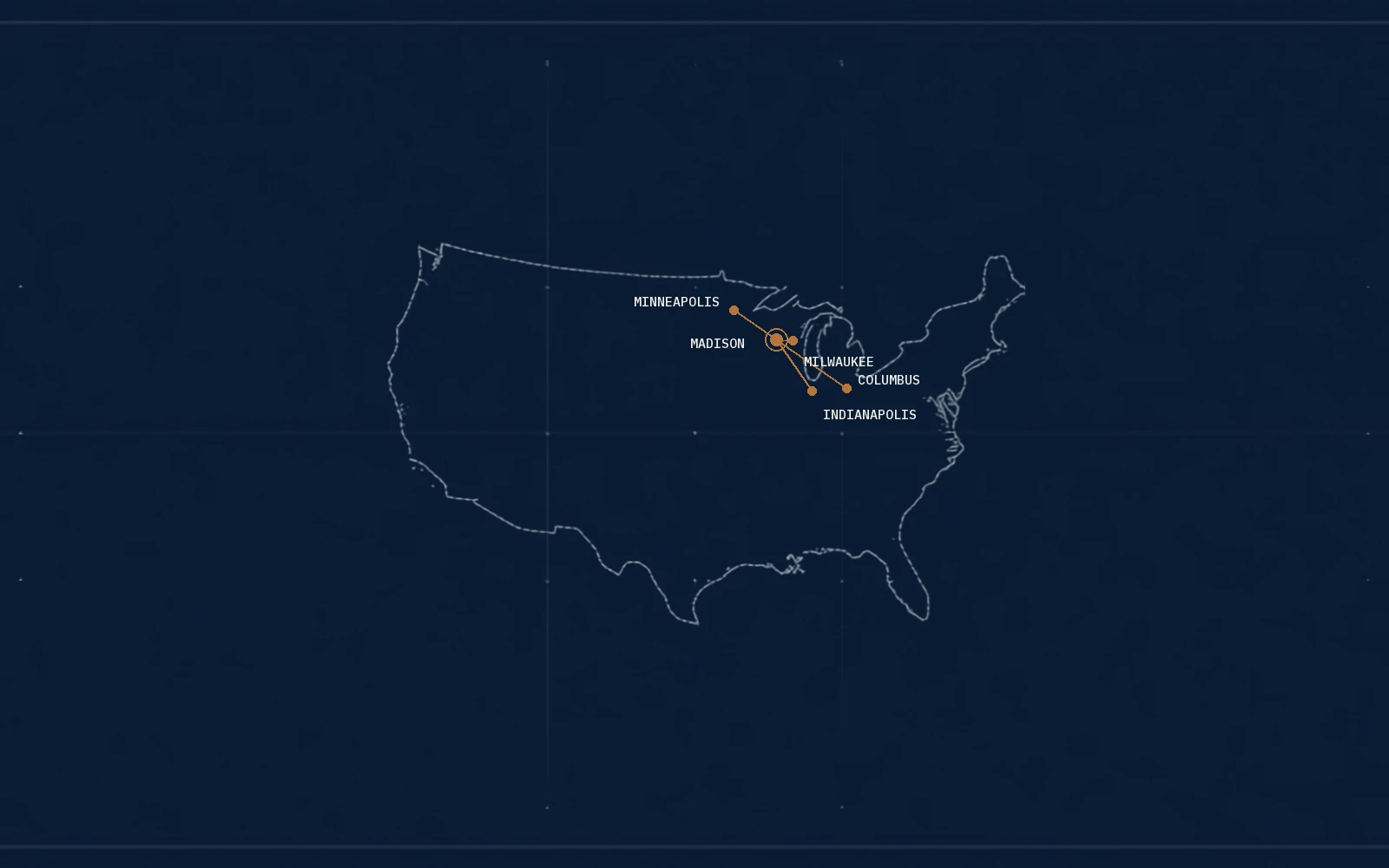
Phase Two · Milwaukee + the MidwestYear 2–4

Milwaukee + the Midwest

We extend to Milwaukee, then Indianapolis, Minneapolis, Columbus. Each new market is another acquisition and integration. The platform that ran one GC now runs five, and we don't stop buying. Every company we own is a real business with real revenue and real crews, and it stays that way.

But now we also open the platform. Any GC, any trade, in any market we're in. An open invitation, and a requirement on our projects. Five general contractors running full schedules isn't five companies. It's ten or fifteen trades on every job, hundreds of contractors a year, all of them working inside the same system.

That's the multiplier. The bench.

Every project teaches us who's good, and what they're good at. Not by reputation, not by who knows who, but by what happened on the job. Showed up. Finished clean. Held the schedule. Took the hard scope when nobody else would.

Some jobs need the best in the state. Most need the right fit, available Tuesday. The platform knows the difference, because it watched.

So when a job needs a crew we don't have, we already know who to call. The bench grows in every city, whether we've bought anything there or not. And the bigger it gets, the faster we absorb what wrecks projects today: the no-show, the walk-off, the sub who's suddenly three weeks behind.

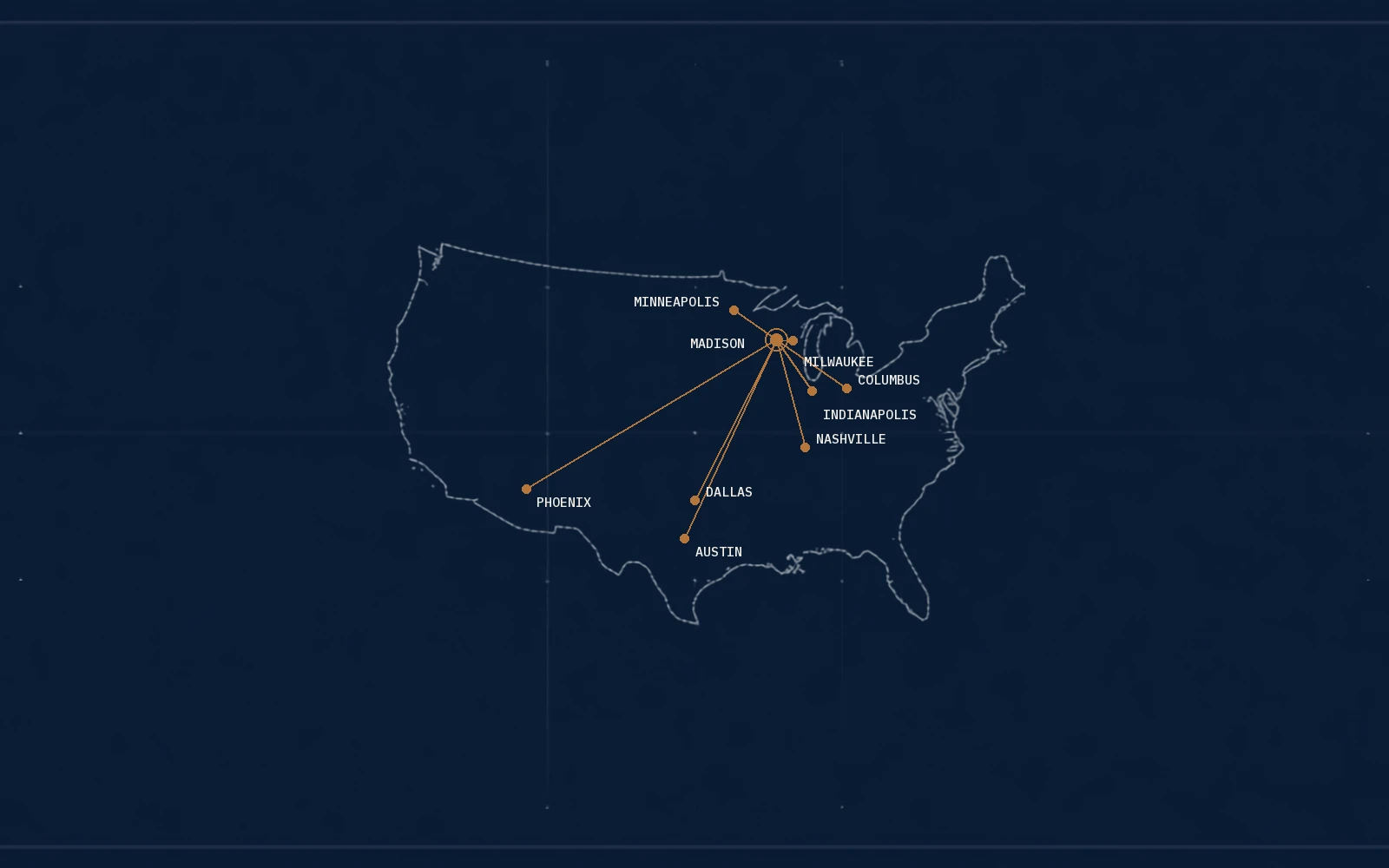
Phase Three · A Major Construction MarketYear 4–6

A Major Construction Market

We enter Austin, Phoenix, Nashville, or Dallas, wherever the gravity of construction has moved. We arrive with the bench, not from zero.

And we stop being only a labor company. Every step of building something is its own business, and every one of them takes a margin on the way past. We start taking those steps on ourselves, further up the chain each year.

Nothing in construction costs what it should. It costs what it became after five companies each added their piece. Take out the handoffs and there's more left over than anyone realizes, enough to pay crews better than anyone else, and still hand the owner a smaller number.

Phase Four · NationalYear 6–10

National

Every major construction market in America. More trades, including the ones we weren't ready for on day one. More of the chain, until the parts nobody wanted to own are the parts we're best at.

Owners come to us with a problem and walk away with a finished building. The best crews in the country work through us, because we send them work that fits and we pay them on time. Other GCs join the network because the bench beats anything they could build alone.

The door is open. There's no going back from here.

Sec. 04 / The endgame

There is no small fix.

A thousand companies have sold software to a broken chain. The chain stayed broken. The job still lands on whoever's closest: the material runs, the permit desk, and too often the money itself, because when the bank won't move, the contractor becomes the bank. That's how good builders end up holding the bag.

So we're building the company that carries it instead. We grow two ways at once: new cities, and more of the chain in every city. The materials, the money, the permits, the platform underneath it all. So the people doing the work can do the work.

Every link we carry makes the next one stronger. Every project makes the whole thing smarter, until construction is too small a word for the market we're in.

Sec. 05 / Who we are

Who we are

We're being built in Madison, Wisconsin, by a founding team in formation.